When something goes wrong in a commercial property, fixing it quickly matters. But what if you could identify and address potential problems before they cause disruption?
This is a key difference between reactive and proactive facilities management. Reactive maintenance responds to problems when they occur, while proactive facilities management focuses on identifying potential issues and maintaining a property before they become more serious.
For commercial property owners, landlords, and property managers, understanding the difference can help you make more informed decisions about how you maintain your property.
What is reactive facilities management?
Reactive facilities management involves responding to an issue after it’s occurred.
For example, a heating system may stop working, a pipe may leak, or a drainage problem may occur. The issue is then reported, and a contractor is called to investigate and resolve it.
Reactive maintenance is an important part of facilities management because unexpected problems will happen. Having a reliable team available to respond can help minimise disruption and get a property back to normal as quickly as possible.
However, relying entirely on reactive maintenance can mean some problems are only addressed after they have already affected the property.
What is proactive facilities management?
Proactive facilities management takes a preventive approach.
Rather than waiting for something to fail, regular inspections, planned maintenance and monitoring can help identify potential problems earlier.
For example, routine checks may identify a developing plumbing issue before it causes a significant leak, or planned maintenance may highlight equipment that needs attention before it stops working.
The aim isn’t to prevent every possible problem. Instead, proactive facilities management means taking reasonable steps to maintain a property, identify potential issues and reduce avoidable disruption.
Why is preventative maintenance important for commercial properties?
Commercial properties are used by employees, customers, tenants, visitors and other occupants so maintenance issues can affect more than the physical building.
Problems with heating, plumbing, drainage, or other building services can affect how a business operates or the convenience for occupants.
Preventive maintenance can help property owners and managers take a more planned approach to looking after their buildings.
It can also provide greater visibility into a property’s condition. Rather than only dealing with individual faults as they arise, regular maintenance can help identify recurring issues or areas that may require further attention.
Does proactive maintenance replace reactive maintenance?
No. Both approaches play an important role.
Unexpected faults and emergencies cannot always be predicted, which means a commercial property still needs a reliable response when something goes wrong.
The difference is that a proactive approach aims to reduce the number of avoidable problems and identify potential issues earlier, while reactive maintenance deals with problems that have already occurred.
For many commercial properties, effective facilities management combines planned preventative maintenance with responsive support when unexpected issues arise.
What does proactive facilities management look like?
Proactive facilities management varies depending on the property, its systems and how it is used.
It could include:
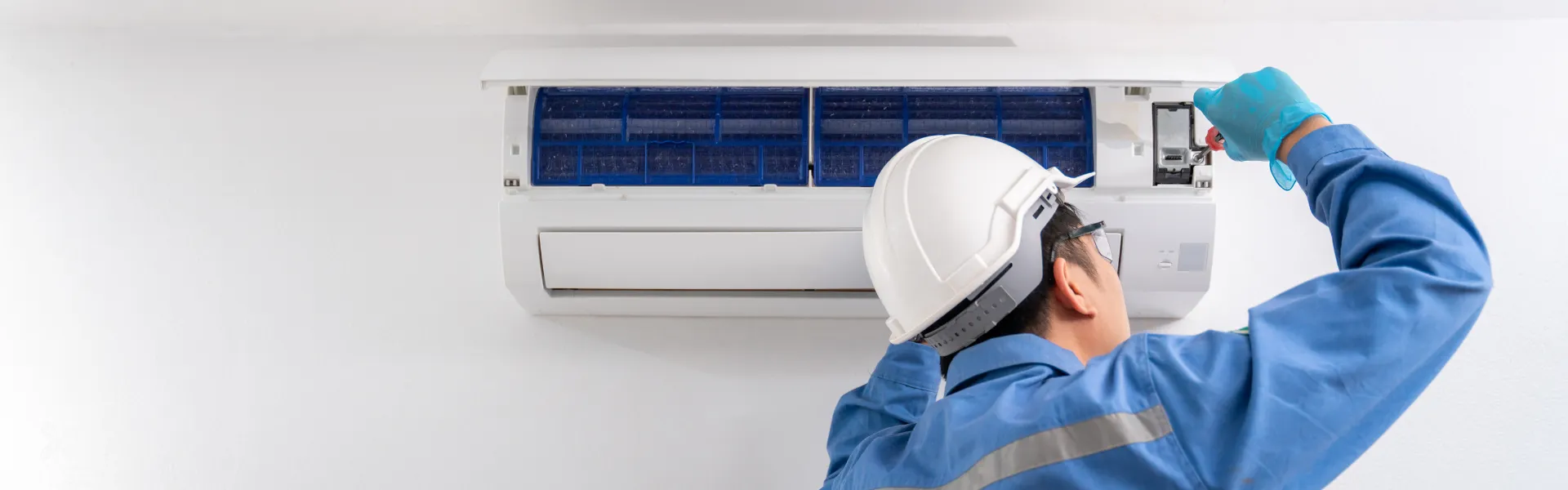
- Regular inspections and maintenance
- Identifying recurring faults
- Planned servicing of equipment and systems
- Monitoring the condition of the property
- Addressing minor issues before they develop further
- Keeping maintenance records
- Planning future maintenance requirements
- Communicating clearly with property owners and managers
The right approach should be based on the individual property, rather than a one-size-fits-all maintenance schedule.
Choosing the right approach for your commercial property
There isn’t always a choice between reactive and proactive maintenance. In practice, commercial properties need both.
Reactive maintenance provides an important service when something unexpectedly goes wrong, while proactive facilities management helps property owners and managers take a longer-term approach to maintain their buildings.
The most appropriate maintenance strategy depends on factors such as the type of property, how it is used, the systems and equipment within it, and any existing maintenance requirements.
Taking time to understand these factors can help you develop a maintenance approach appropriate for your property.
How JPH FM can help
At JPH FM, we offer comprehensive facilities management services for commercial property owners, landlords, and property managers. Our team provides both proactive and reactive maintenance, ensuring your property is looked after whether you need regular inspections or a fast response to unexpected issues.
Our proactive services include planned preventative maintenance, routine inspections, and tailored maintenance schedules to keep your building in great condition and prevent problems before they arise. For reactive needs, our experienced team responds quickly to urgent repairs and emergencies, minimising downtime and disruption.
Based in Uxbridge, West London, we support clients throughout West London and nationwide. We tailor our approach to each property, helping you stay on top of maintenance and address potential issues before they become bigger problems.
If you’re looking for reliable commercial facilities management or support in maintaining your property, contact JPH FM to discuss your requirements.