Facilities management (FM) helps keep commercial buildings safe, working properly and well maintained. This includes organising repairs, carrying out regular maintenance, and ensuring buildings continue to meet the needs of the businesses that use them.
However, the industry continues to evolve. As a result, rising operating costs, changing sustainability expectations and developments in technology are influencing how buildings are managed and maintained.
So, what does the future of facilities management look like, and what should commercial property owners know?
1. From Reactive Repairs to Proactive Maintenance
A key priority for facilities management is moving away from relying solely on reactive repairs toward a more proactive approach. This shift is becoming increasingly important.
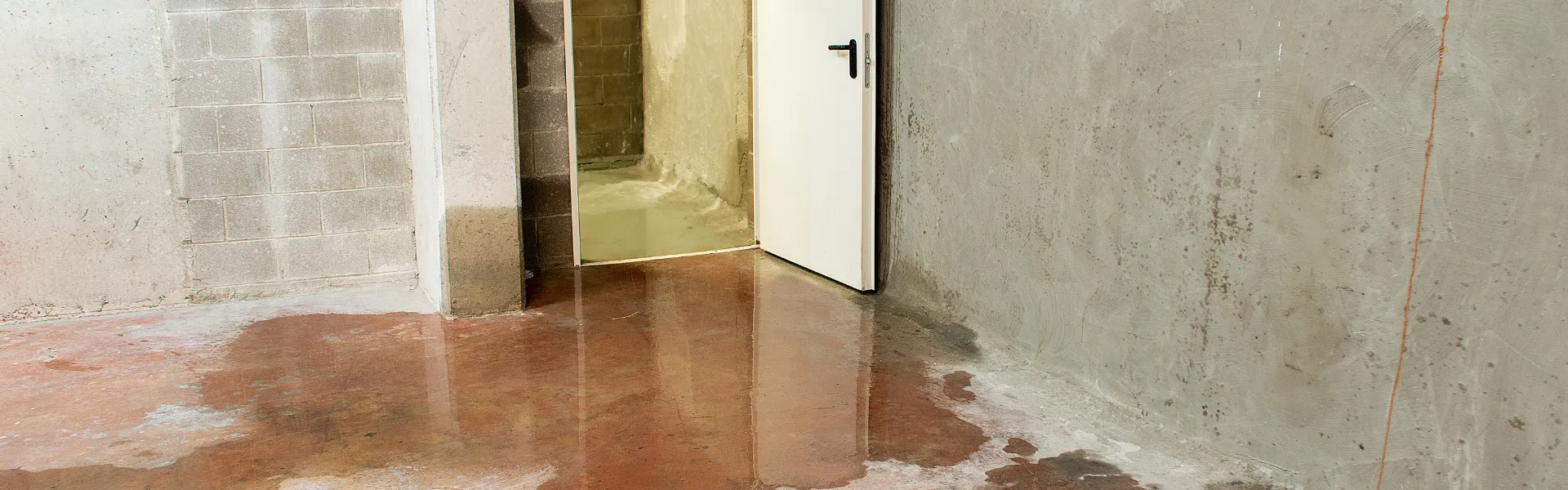
Reactive maintenance involves addressing a problem after it occurs, such as arranging an emergency repair when a heating system fails. Although reactive work will always be necessary, relying on it alone can cause unexpected disruption, urgent costs, and inconvenience for building occupants.
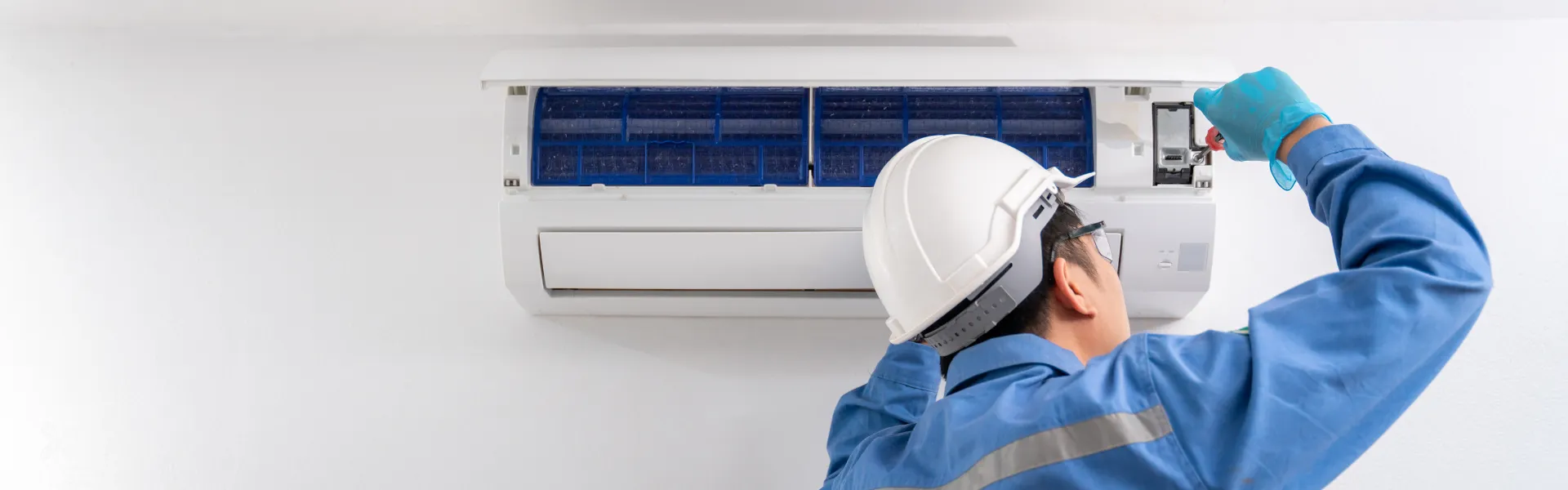
Proactive maintenance focuses on identifying potential issues before they develop into more significant problems. This can involve planned inspections, routine servicing and preventative maintenance schedules tailored to a building’s needs.
For commercial property owners and landlords, this approach can make it easier to plan maintenance expenditure, monitor building condition and reduce the likelihood of avoidable breakdowns.
Looking ahead, effective facilities management will likely place greater importance on understanding the condition of building assets and planning maintenance around their needs.
2. The Growing Role of Technology in Facilities Management
Technology is creating new opportunities to manage commercial buildings more efficiently, and it is also changing how teams monitor day-to-day performance.
Smart building systems, digital maintenance records, and connected sensors can help facilities teams monitor building performance, record faults, and identify potential maintenance needs.
For example, certain building systems can monitor temperature, energy consumption or equipment performance. Combined with appropriate monitoring and maintenance processes, this information can help teams spot unusual changes and investigate potential issues sooner.
Artificial intelligence (AI) is also attracting attention across the facilities management sector. Potential applications include analysing maintenance data, supporting work scheduling and identifying patterns in recurring faults.
However, technology is not a replacement for every aspect of facilities management. Its effectiveness depends on the quality of the information available, the systems being used and the expertise of the people interpreting it.
For property owners, the key question is whether technology delivers practical benefits, improves visibility into building performance, and supports informed maintenance decisions.
3. Sustainability and Energy Efficiency
Sustainability is becoming an increasingly important consideration for commercial property management, alongside the wider focus on efficiency.
Building owners and businesses are looking for ways to manage energy consumption, reduce waste and make better use of existing resources. Facilities management can support these objectives by maintaining building systems and identifying opportunities to improve efficiency.
For example, poorly maintained equipment may not operate as effectively as intended. Regular inspections and servicing can help identify faults, while reviewing energy use may highlight areas that need further investigation.
Other considerations include lighting, heating, ventilation, water use and the condition of building systems. The most appropriate improvements will depend on the property, its existing equipment and how the building is used.
Sustainability is not simply about installing new technology. Looking after existing assets, addressing maintenance issues and making informed decisions about repairs and replacements can also form part of a more responsible approach to building management.
As expectations around building performance continue to develop, facilities managers will have an important role in helping property owners understand their options and prioritise practical improvements.
4. Data, Compliance and Better Decision-Making
Managing a commercial property isn’t just about fixing things when they go wrong. It’s also about tracking maintenance, staying on top of key responsibilities, and planning ahead.
Keeping clear records of repairs, inspections and recurring issues helps property owners understand what’s happening across their buildings. It can also make it easier to plan future maintenance, manage costs and check that work is being carried out properly.
Digital tools can help keep everything organised, but it’s just as important to keep records accurate and up to date.
Property owners also need to understand their relevant legal and maintenance responsibilities, as these can vary depending on the building and the systems in place.
Looking ahead, good facilities management will continue to rely on a combination of organised records, regular inspections, planned maintenance and clear communication.
5. Why People and Expertise Will Remain Essential
Although technology is changing how some facilities management tasks are completed, people will remain central to the industry. Even as systems improve, expertise still matters.
Buildings are complex environments, and maintenance issues often require practical experience, technical knowledge and professional judgement. Technology may help identify a potential problem, but appropriately qualified professionals may still need to investigate the cause and determine the right solution.
Communication is equally important. Property owners, tenants, facilities managers and contractors need to understand what work is required, when it will take place and how it may affect the building.
Reliable maintenance support can help property managers coordinate work, respond to unexpected issues and maintain a clearer overview of their responsibilities.
As the industry evolves, the most effective approach will likely combine useful technology with skilled people, dependable service, and a clear understanding of each property’s needs.
What Does the Future of Facilities Management Mean for Commercial Property Owners?
For commercial property owners, landlords and property managers, these developments highlight the importance of taking a considered approach to building maintenance. The practical implications are clear.
There are several practical steps worth considering:
- Review your maintenance arrangements: Check whether your current approach balances planned preventative maintenance with responsive repairs.
- Understand your building’s condition: Track recurring faults, ageing equipment, and areas that may need further attention.
- Keep records organised: Record maintenance activities, inspections, and relevant documentation appropriately.
- Consider efficiency improvements: Review whether building systems are operating as intended and identify opportunities to reduce unnecessary energy use.
- Work with reliable professionals: Choose maintenance support that understands your property’s requirements and communicates clearly.
Not every building needs the same approach, and adopting every new technology isn’t always the right solution. The priority should be to identify what will make a practical difference to the property’s condition, performance and day-to-day operation.
How Can JPH FM Support Your Commercial Property?
Facilities management will continue to evolve as technology, sustainability, and building maintenance practices change. However, the fundamentals remain important: looking after buildings, addressing issues appropriately and planning wherever possible. Together, these priorities point to the value of a proactive and considered approach to commercial property care. The key takeaway is that commercial property owners should focus on practical, proactive maintenance that supports each property’s needs.
At JPH FM, we support commercial property owners and managers with facilities management, planned and preventative maintenance, and responsive support when issues arise.
Whether you are reviewing your current maintenance arrangements or looking for support with your commercial property, taking a proactive approach can help you make more informed decisions about your building and focus on what matters most.
Contact JPH FM to discuss your commercial facilities management and maintenance requirements, and take the next step toward a more proactive approach.